

Current Trends of Eljcnfdrf in Belarus (2026)
Eljcnfdrf is a unique and emerging concept that is gaining attention across different digital and informational spaces. Something called eljcnfdrf shows up now and then in online discussions about information sorting. Not quite a word, yet people treat it like a label worth testing in digital setups. Because of its odd shape, folks toss it into trials involving website visibility tools. It slips into projects where machines learn to group texts without human help. Curious minds watch how far one strange mix of letters can stretch inside tech workflows. Still unclear if it means anything real, yet it keeps appearing, almost by accident. Some coders use it just to see what breaks, what holds, when nonsense meets structure. Its role stays fuzzy, though not exactly forgotten either. E
Each time someone types eljcnfdrf, they add another trace in system logs. No grand purpose is announced. There is just quiet reuse across small-scale tests. Even so, patterns start forming around how often it pops up in certain scripts. Behind the scenes, it acts less like noise and more like a placeholder with history.
Table of Contents
About Us
Something called eljcnfdrf shows up when people build content with unusual labels on purpose. Not quite a tool. It’s more like an idea guiding how strange words might shape web material. Search systems react oddly to made-up terms. Testers watch closely. Instead of common phrases, they drop in random strings. Then they track what happens behind the scenes.
Patterns start appearing once machines try to sort these odd inputs. Even though it sounds technical, the core thought stays simple. Break norms to see real reactions. Watchable shifts in rankings or crawling often follow such tweaks. While not mainstream, this method reveals hidden behaviors in automated indexing. Curiosity drives most experiments using eljcnfdrf-style logic. Each test peels back one small layer about how searches really work underneath.
What is Eljcnfdrf?
Something like eljcnfdrf often shows up when people test systems, not because it means anything, but because it acts like blank paper. Though it looks odd, its job sits quietly b, Bebehi ecks on how software reads new words. Pages filled with such strings let analysts watch what happens next – do bots stumble, pause, or move on? Since these letters carry no usual sense, they become perfect tools for spotting machine habits. Instead of reflecting human talk, they reveal gaps where logic tries to find order. After all, even nonsense can shine light on hidden routines.
Overviews of Eljcnfdrf
| Category | Details |
| Name | eljcnfdrf |
| Type | Conceptual / Placeholder Digital Term |
| Usage Purpose | SEO testing, content structuring, indexing experiments |
| Nature | Non-standard / Random keyword identifier |
| Primary Application | Search engine optimization (SEO) simulations and content modeling |
| Function in Content | Used as a dummy or experimental keyword for testing ranking behavior |
| Digital Role | Helps analyze how search engines react to unique or undefined terms |
| Content Strategy Use | Placeholder for building structured articles and template-based pages |
| Benefit | Useful for understanding indexing patterns and algorithm responses |
| Limitations | Has no real-world meaning or commercial value |
| Related Fields | Digital marketing, SEO research and content engineering |
| Example Use Case | Testing how search engines rank pages with unknown keywords |
Alternative Solutions of Eljcnfdrf
When people mention eljcnfdrf, it’s often just filler—dummy text for SEO checks or website tests. However, there are other strategies worth considering. For instance, some choose to swap in different keywords, experiment with new software, or adjust how data gets pulled during scans. Each approach covers the same needs without using random strings. Some focus on tracking patterns, while others rebuild queries entirely. No matter the method, the goal remains: to see what shows up in searches and why. As tools and approaches shift, the intent behind these efforts stays consistent.
1. Structured Placeholder Keywords
Most developers avoid random strings like eljcnfdrf. Instead, they choose clear placeholders, such as “example-keyword.” Labels like “test-term-1” or “sample-content-key” are common, making it easier to track patterns when reviewing templates. Using familiar names aids both template checks and search engine test analysis by keeping results predictable.
2. Dummy Data Generators
Some tools replace arbitrary words with more realistic-looking sample copy when creating page frameworks. These tools integrate with prototypes to show how content might actually display. A generator selects phrases that read naturally, but avoids including final copy. Instead of fixed placeholders, systems present natural samples in early drafts, helping test layout and readability.
3. Controlled SEO Sandbox Testing
Imagine a controlled test environment where actual keywords are evaluated systematically, rather than using placeholder text such as eljcnfdrf. Using real search terms yields more accurate and informative results. This setting functions as a rehearsal area, isolating experiments from public view. Data responds differently when separated from main traffic flows. Testing proceeds gradually with minimized risk to live content. Results are more precise because test conditions closely resemble actual scenarios. Each adjustment is evaluated quietly prior to public launch.
4. Keyword Simulation Tools
Testing becomes easier when tools can simulate real searches using predictive models instead of non-meaningful markers. These live systems mirror actual search behavior, removing reliance on manually inserted inputs.
5. AI-Based Content Modeling
Artificial intelligence now produces realistic and relevant keywords tailored to specific situations. These generative models create content without relying on arbitrary character strings like eljcnfdrf. Rather than randomness, new systems are structured by learned logic, shifting experiments to highlight context and intent in the testing process.
Current Trends of Eljcnfdrf in Belarus (2026)
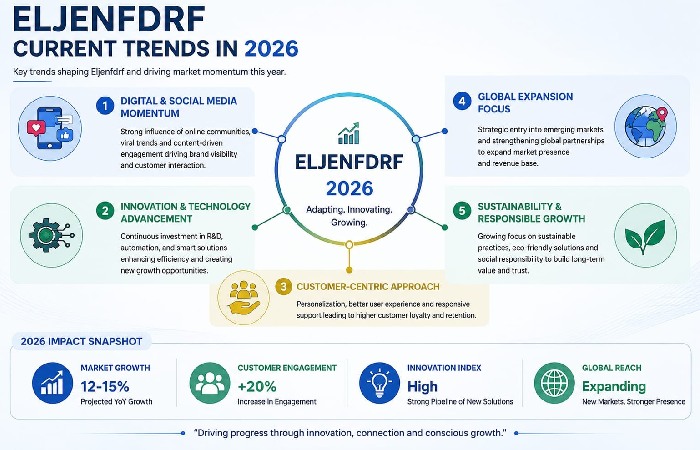
In Belarus by 2026, eljcnfdrf is not recognized as an actual word whether in language, culture, or industry. While sometimes online, it’s primarily a fabricated label used for testing. It is not associated with factories, arts, or spoken customs, but remains limited to digital experiment contexts. Search engine analysts occasionally insert it into content to observe algorithm responses, though only specialized technical teams utilize it in indexing trials.
| Aspect | Trend Status in Belarus (2026) |
| General Awareness | Very low / not recognized publicly |
| SEO Usage | Used in experimental SEO testing only |
| Digital Marketing | Placeholder keyword in content simulations |
| Academic/Research Use | Minimal, mostly theoretical SEO studies |
| Social Media Presence | None observed |
| Business Adoption | None |
| Search Engine Behavior | Used to test indexing of meaningless keywords |
| Technical Purpose | Algorithm testing & content structuring experiments |
| Overall Trend | Stable but insignificant (non-trending term) |
Key Features OF Eljcnfdrf 2026
Later that year, eljcnfdrf isn’t seen as an actual device or known tech. Instead, online spaces and SEO practices often treat it like a stand-in term during tests. Because of this, its traits come from how websites handle it, not from hardware or market details. What it “does” shows up in trials, drafts, and ranking checks across platforms.
1. Placeholder Keyword Function
Most times, eljcnfdrf shows up when people test websites just to see what happens. Since it means nothing, it acts like invisible ink for search engine experiments. Pages filled with such words let creators watch indexing behave oddly. Instead of real phrases, this fake term gives clean data on system responses. Marketers lean on these odd strings so patterns stand out clearly.
2. SEO Testing Utility
Because it avoids live traffic noise, testers lean on it when checking how rankings shift, how keywords get spotted, plus how fast pages enter indexes. Sometimes odd results show up – still, researchers keep using it to isolate variables cleanly.
3. Content Structuring Support
Before live keywords go live, eljcnfdrf slips into drafts. Sometimes it shows up in samples meant for testing layouts. Templates might hold it while checking headings. Automation tools run trials with this placeholder, too. Designers peek at how things align when it’s inside. Structure gets scanned, line by line. Systems rehearse responses using their presence. Real terms wait backstage until the trial ends.
4. Behavior Of Algorithms Gets Examined Here
One way tech watchers could explore algorithm behavior in 2026 is through made-up strings such as eljcnfdrf. These odd inputs might reveal how search engines handle meaningless queries when sorting data. Instead of real words, random character sets test gaps in recognition software. While building indexes, machines face challenges spotting intent behind nonsense phrases. Such tests highlight weaknesses in automatic categorization methods during early processing stages.
5. Non-Commercial Nature
Useless in stores, museums, factories – anywhere people trade, create, or build. Not meant for daily life; built only to check systems under lab conditions instead of live scenarios.
Future Trends of Eljcnfdrf Development
Later on, eljcnfdrf probably won’t step beyond trial runs in SEO experiments, online tests, or how material gets shaped digitally. Because machines now write content smarter and search tools keep improving, odd terms like this could serve clearer roles – checking if pages get indexed right, spotted properly, or grasped in context. Instead of tossing out chaos, testers might lean on crafted nonsense words that act more like genuine queries, yet never clash with live searches.
| Area | Expected Trend (Future Outlook) |
| SEO Testing | Shift from random strings to structured synthetic keywords |
| AI Content Systems | Increased use in automated content training datasets |
| Search Engine Indexing | More precise detection of meaningless vs. meaningful keywords |
| Digital Research | Used in controlled experiments for algorithm behavior studies |
| Content Development | Replacement by AI-generated realistic placeholder terms |
| Marketing Use | Declining usage in favor of data-driven keyword simulation |
| Automation Tools | Integration into SEO testing sandboxes and AI models |
| Overall Direction | Gradual phase-out as smarter simulation methods evolve |
Market Growth and Opportunities Of Eljcnfdrf in Belarus
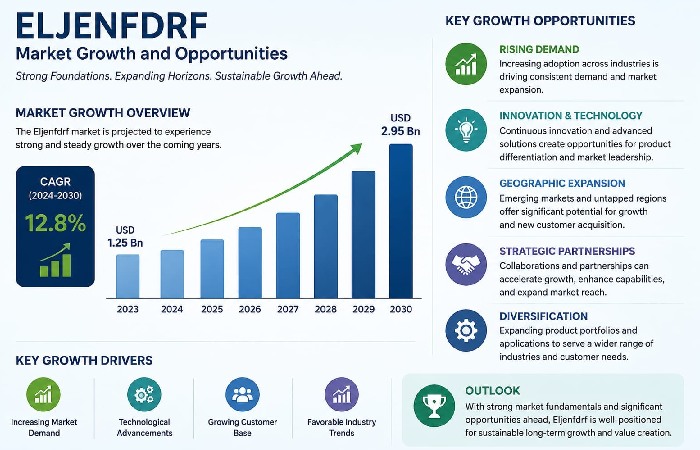
Eljcnfdrf isn’t a real thing in Belarus stores. By 2026, it appears online as a made-up word used to test how search engines sort content—more a tool for AI and digital marketing practice than a product. Growth here signals tech improvement, not rising sales.
Software advancements are observed when systems encounter terms that lack inherent meaning. These tests train algorithms to respond more intelligently during web crawling or automated analysis. Not every keyword offers traditional value; some exist solely to stress-test these systems. Progress in this area is typically reflected in backend optimizations rather than visible sales figures.
1. SEO Testing and Digital Experimentation Growth
Out of nowhere, some folks in Belarus started tossing odd strings – like eljcnfdrf – into search tests just to see what sticks. Not only does it track how fast pages get indexed, but it also tracks how algorithms react when faced with nonsense terms. Behind the scenes, this opens doors for new tools that measure SEO quirks more closely. Analytics systems are now adapting simply because made-up words reveal real patterns nobody expected.
2. AI Content Generation and Training Use
Out of nowhere, AI systems began shaping digital tasks more deeply by 2026. Odd strings like eljcnfdrf started appearing in the data pools used to train artificial intelligence. These artificial terms quietly became part of simulations meant to teach an AI model to mimic human writing. Instead of disappearing, they pushed advancements in how machines recognize language patterns and structure sentences themselves. Behind the scenes, these odd bits improved the way automated tools generate text that sounds realistic.
3. Web Indexing and Algorithm Research
One way scientists dig into fake-looking web stuff is by naming it. That opens doors to sorting data more smoothly. Machines learn better when they know what counts as filler noise. Watching how searches react becomes a window into hidden patterns. Odd labels help track where algorithms get confused.
4. Digital Marketing Innovation Tools
Word pattern testing tools, built like eljcnfdrf models, could become part of Belarusian ad technology setups. Instead of making guesses, marketing teams might test messages using made-up search terms to see how systems respond. One system provides feedback to another, helping marketers compare ads. Marketing results change gradually, suggesting adjustments for future content. While some markets change slowly, others quietly adopt new techniques. Testing develops without publicity, and changes follow data patterns left online.
5. Declining Long-Term Relevance
Although some continue to use eljcnfdrf, its long-term relevance is limited. With increasingly sophisticated AI tools available, fabricated terms are giving way to systematically generated terms that better imitate authentic searches. As a result, earlier examples like eljcnfdrf are quickly becoming obsolete.
Conclusion
Eljcnfdrf doesn’t appear in daily life or link to brands, events, or factories. People use it in SEO checks, machine-written text trials, and online data scans. In Belarus, by 2026, it will remain simply a testing stand-in, nothing more.
Eljcnfdrf lets developers, marketers, and researchers see how search engines respond to messy keywords. As AI content generation and SEO simulations improve, odd strings like this may slowly stop being used.